xAI Voice API Text-to-Speech: What It Unlocks for Voice Agents
A practical look at why xAI's text-to-speech docs matter for phone agents, voice assistants, and narrated AI workflows.
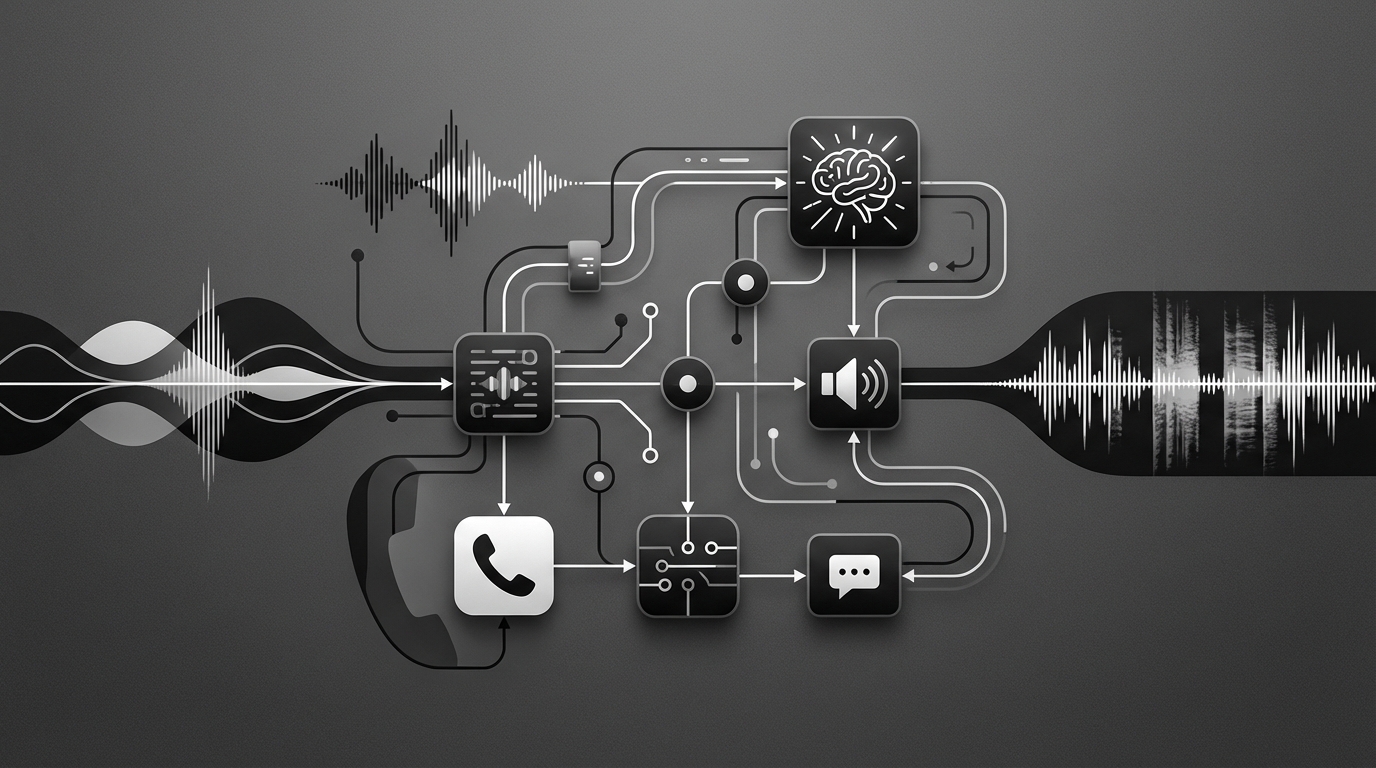
xAI's Voice API now documents a dedicated text-to-speech entry point, which is exactly the kind of update that matters if you build voice agents, phone bots, narrated workflows, or multimodal assistants.
Why this matters
A text-to-speech endpoint is the missing half of any practical voice loop:
- Speech-to-text turns user audio into text.
- LLM reasoning decides what to say.
- Text-to-speech turns the answer back into playable audio.
Once that last piece is stable and documented, you can ship full-duplex product flows instead of stitching together three vendors and a prayer.
What to watch in the xAI Voice docs
When reviewing the xAI Voice API docs, the useful implementation details are usually these:
- supported input format for the text payload
- available voice options and model names
- output audio format such as mp3, wav, or pcm
- latency expectations for real-time vs batch use
- auth pattern and request headers
- pricing or token / character billing model
- rate limits and concurrency constraints
If you are evaluating providers for an agent stack, those details matter more than marketing screenshots.
Best use cases for text-to-speech APIs
The strongest use cases are boring in a good way: they directly save labor or improve UX.
1. AI phone agents
Inbound and outbound phone workflows need machine-generated speech that is fast, clear, and predictable. Typical examples:
- appointment reminders
- lead qualification
- order status calls
- support triage
- multilingual customer service
2. Voice-enabled assistants
If your product already has chat, adding spoken output can unlock:
- driving mode or hands-free usage
- accessibility improvements
- faster consumption of summaries or alerts
- more natural smart-device interactions
3. Content narration
TTS is also useful for:
- turning articles into audio briefs
- reading dashboards aloud
- generating product walkthrough narration
- creating localized audio variants quickly
Integration pattern
A typical implementation looks like this:
ts async function speak(text) { const response = await fetch('https://x.ai/api/voice#text-to-speech', { method: 'POST', headers: { Authorization: 'Bearer ' + process.env.XAI_API_KEY, 'Content-Type': 'application/json' }, body: JSON.stringify({ text, voice: 'default' }) })
if (!response.ok) { throw new Error('TTS request failed') }
return await response.arrayBuffer() }
The exact request shape will depend on the final xAI docs, but the architecture stays the same:
- generate or receive text
- send text to the voice endpoint
- receive audio bytes
- stream or store the result
- play the audio in your client, telephony stack, or agent runtime
What to evaluate before adopting it in production
Do not just ask whether the voice sounds nice. Ask the questions that decide whether the thing survives contact with reality:
- Latency: Is it fast enough for live conversations?
- Interruptibility: Can your stack stop playback cleanly?
- Streaming support: Do you get audio progressively or only after full generation?
- Voice consistency: Does the same prompt produce stable delivery?
- Pronunciation control: Can you steer names, brands, and multilingual terms?
- Operational reliability: What happens under retries, timeouts, and bursts?
If the answers are weak, the demo sings and production wheezes.
Why this belongs on ClawList
ClawList tracks tools and patterns that help people build practical AI systems. A documented xAI text-to-speech capability is relevant because it expands the stack for:
- voice agents
- customer support automation
- AI calling workflows
- multimodal interfaces
- narrated content pipelines
It is especially relevant for teams trying to reduce vendor sprawl and keep more of the voice loop inside one ecosystem.
Bottom line
The xAI Voice API text-to-speech docs are worth watching if you build anything that needs agents to talk back, not just think silently in a JSON cave.
As the endpoint matures, the real question is not whether TTS is cool. It is whether xAI can make it reliable enough for production voice loops where latency, clarity, and operational stability actually matter.
Source
- xAI Voice API docs: https://x.ai/api/voice#text-to-speech
Tags
Related Skills
Readest - Open Source Cross-Platform E-book Reader
支持多格式、具备翻译、TTS、笔记等功能的开源跨平台电子书阅读器。
Doubao ASR
Chinese speech recognition API converting recorded audio to text via ByteDance's Doubao Seed-ASR 2.0 model.
OpenClaw Medical Skills
A massive open-source medical AI skills library for OpenClaw, spanning clinical workflows, genomics, drug discovery, and bioinformatics.