Daily Ops Brief
Agent Ops Brief — Mobile supervision, higher limits, and agent observability
Codex reaches ChatGPT mobile, Claude Code limits jump, and production observability becomes the new battleground.
What changed (high signal)
1) Codex remote access lands in the ChatGPT mobile app (preview)
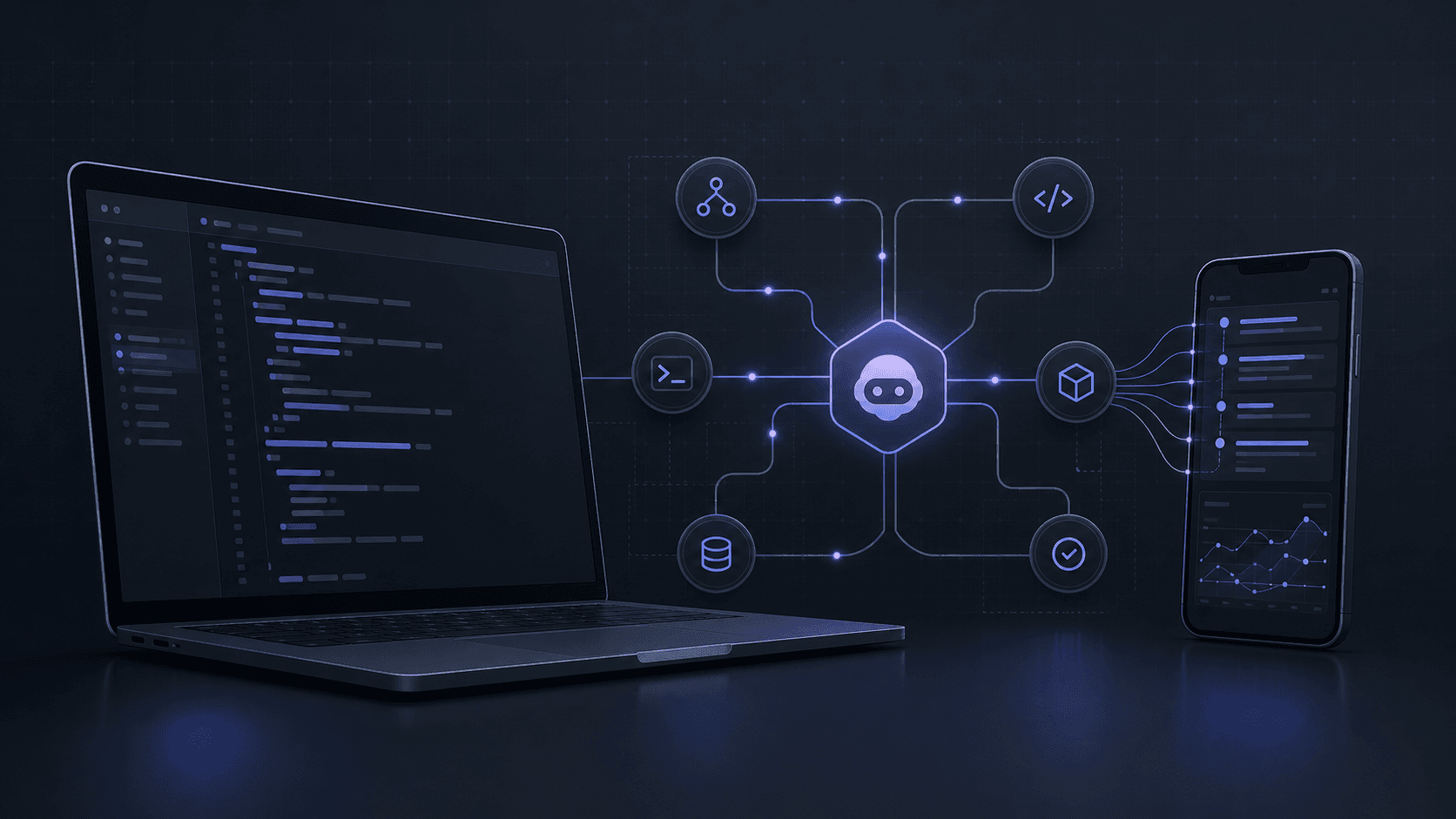
OpenAI is rolling out Codex access in the ChatGPT mobile app so you can stay connected to active work while Codex continues running on a connected macOS host. Mobile can start/continue threads, answer questions, review diffs, and approve actions without being at the desk.
2) Claude Code usage limits increased (SpaceX compute deal)
Anthropic says a SpaceX partnership and other compute deals increased capacity, enabling higher usage limits for Claude Code and the Claude API — including a meaningful bump to Claude Code’s five-hour window limits.
3) “Agent observability” is becoming a product category
Observability vendors are starting to ship agent-specific visibility features aimed at making it easier to see what an agent actually did: tool calls, reasoning checkpoints, and run-by-run traces you can audit.
Operator takeaways (do this, not vibes)
Mobile approvals need an explicit “stoplight” policy
If you can approve agent actions from a phone, you should assume approvals will happen while distracted. Treat mobile approvals like production deploys:
- Default to read-only and non-destructive actions.
- Require a two-step confirmation for anything that touches credentials, production, or billable resources.
- Make “safe by default” the baseline: permission profiles, sandboxing, and clear command allowlists.
Higher rate limits increase the blast radius of a bad loop
More throughput is great, but the failure mode changes: agents can now run longer before you notice drift. Add guardrails:
- Bake in checkpoints: “stop after analysis and ask for approval to execute.”
- Keep an audit trail: run IDs, tool-call logs, and a concise end-of-run summary.
- Prefer repeatable runbooks over single-shot prompts.
Observability: treat agents like distributed systems
If an agent can touch multiple tools, it’s already a distributed workflow. Minimum viable instrumentation:
- A single run ID propagated across tools.
- Structured logs of tool invocations and outputs (redacting secrets).
- A clear “what changed” diff summary plus “what is uncertain” notes.
Sources
- OpenAI: “Work with Codex from anywhere” (May 14, 2026) — https://openai.com/index/work-with-codex-from-anywhere/
- OpenAI Help Center: ChatGPT release notes “Codex remote access from the ChatGPT mobile app” (May 14, 2026) — https://help.openai.com/en/articles/6825453-chatgpt-release-notes
- Anthropic: “Higher usage limits for Claude and a compute deal with SpaceX” (May 6, 2026) — https://www.anthropic.com/news/higher-limits-spacex
- PRNewswire / Honeycomb: “Honeycomb Launches Agent Observability…” (May 12, 2026) — https://www.prnewswire.com/news-releases/honeycomb-launches-agent-observability-bringing-full-visibility-to-agentic-workflows-in-production-302769398.html